
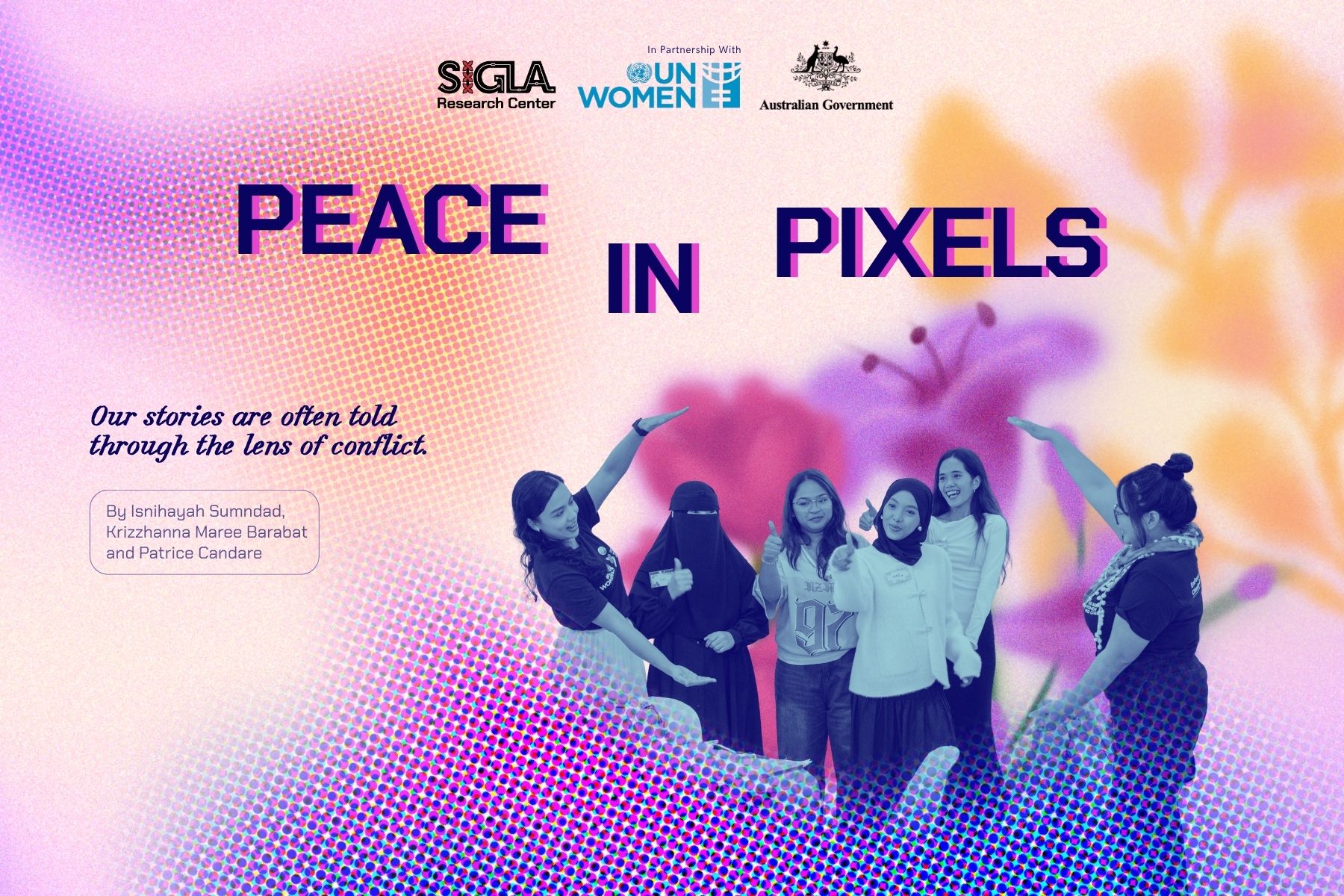
Our stories are often told through the lens of conflict. Stories about stellar young scholars, community programs, and the quiet resilience of people rebuilding their lives after the sieges are overshadowed by the rido, shootings, and violence that people attach to our narratives. These stories are also weaponized — real narratives, and real life trauma for virality, with many fall victim to it.
These narratives transcend screens and even reach those closest to us, forcing us to reckon with how real the consequences can be. People are manipulated by “pranks” and recycled material dressed up as urgent, life-threatening situations. The same digital spaces used for entertainment can become a source of anxiety and alarm. While this is an opportunity to educate people on how they use these platforms, it's also a reminder that online actions can have real-life consequences. We may hide behind the pixels on our screens, but we cannot hide from the deception that we cause in real life.
In the same platforms that bring fear, I’ve come to realize something else — these platforms can be the very spaces that finally lets us tell our own stories, in our own words, before someone else tells them for us. It’s about how we use these spaces to communicate, educate, listen and prevent further conflict. It is in our hands how we can spread help rather than harm, information rather than disinformation.
Instead of being an echo chamber for fear, our platforms can echo our stories — stories used to educate, and inform not only ourselves, but also those around us. Speaking to the people behind the screens rather than to an audience encourages people to stay, understand and interact with the information instead of feeling lectured or threatened. In a language they understand, in the humor they use, these posts become mirrors — reflections in pixels, shared by someone they might see at the mosque, or at the market.
Digital peacebuilding isn’t about having the perfectly worded post or knowing everything about everything. It thrives on the intentionality, and authenticity of our digital presence and on understanding that what we can do online can manifest offline. There’s also something about hearing wisdom in your own language that lands differently than a graphic with a logo stamped on it. It tells people that it’s their own kabataan doing the work from the inside carrying the same history they carry.
While navigating online platforms remains tedious, it also gives visibility to the community-led work we've done on the ground — not for virality, but to reach further than our phones can. Being part of #FYP: For Young Women Peacebuilders changed how I look at these platforms. It made me realize that we can still improve the digital peacebuilding space by giving young people more opportunities to learn about digital and media literacy. Platforms should also encourage safer and more respectful conversations, where young people can speak up without spreading fear, hate or misinformation. A post can educate, a conversation can create understanding, and a voice can encourage peace. Sometimes, peacebuilding starts with something as simple as stopping before we click “Share.”
This blog is part of a series based on Sigla Research Center’s #fyp: For Young women Peacebuilders, a digital peacebuilding program with young women leaders in the Bangsamoro Autonomous Region in Muslim Mindanao (BARMM) in partnership with UN Women Philippines, and supported by the Australian Government through the Department of Foreign Affairs and Trade (DFAT).